

• ANIMAL ATLANTA
  • Birds
  • Bird Health
  • Kittens
  • Reptiles
  • Small Animals
  • Fish
  • Services
  • Puppy Housebreaking
  • Pet Poisoning
  • Customer Reviews
  • Helpful Links
  • Directions

Bird Health

We're glad to see that so many people genuinely care about their bird's health.

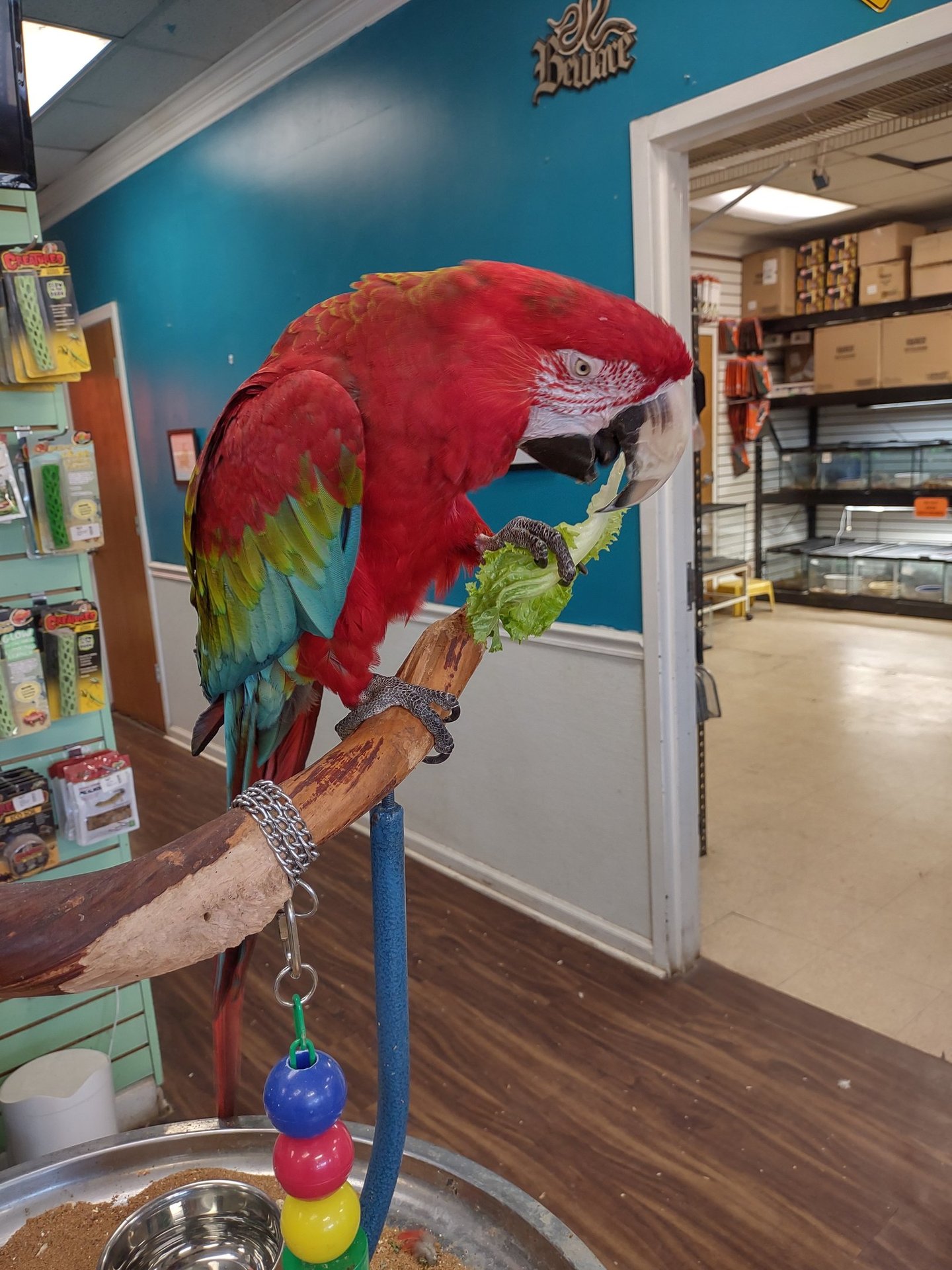
As you undoubtedly know, birds instinctively hide any signs of illness until it's almost too late to help them.  That makes it even more critical that you check on your bird regularly for any signs of it not feeling well, especially during the winter months.  Some signs of illness in a bird might be:

     a. keeping its feathers puffed up so it looks much larger than its regular
         size.  This could indicate that it is cold, is catching a cold, or has injured
         itself; OR

     b. if the bird's stools are runny.  This could indicate a respiratory or
         intestinal problem or it might simply be that your bird ate too much fruit
         that day.

If you see anything unusual, we will be glad to take an initial look to see if it's serious at no charge to you.  If it's simply a cold, intestinal bug or a slight injury we have over-the-counter medication that will take care of it.  If it's serious, we will be happy to refer you to one of a few highly recommended avian vets.
 
                                                                                             * * * * * * * * * * * * * * *

WARNING!

Do not commit these two fatal errors with your birds:

     1) DO NOT use Teflon or other non-stick cookware if your bird is within
         10 feet.  Keep the fan on while cooking.  These fumes can kill a large
         macaw within 10 minutes.

     2) DO NOT spray Febreeze brand deodorizer/cleaner in a house where a
         bird (or other small animal) lives.
  
                                                              * * * * * * * * * * * * * * *

Six Things Bird Owners Do To Mess Up Their Birds...
Excerpt from Bird Talk magazine article by Liz Wilson, CVT (Feb. '01)

1) Buying a parrot on impulse, without information as to what to expect from that species.

2) Choosing a species based only on how much you want it, not on what would work best for you and your environment.

3) Ignoring the advice of experts when it comes to management issues such as diet and sleep needs.

4) Tolerating a behavior problem instead of doing something about it immediately.

5) Encouraging a parrot to dislike everyone but you.

6) Spending all your money purchasing a new parrot and not having enough leftover for proper caging and toys.
Web Hosting by FatCow